

Hey mama! You might be feeling a little overwhelmed with all the conflicting information about giving birth. Don't worry, I gotchu!
Here are 8 things your doctor probably didn't tell you about giving birth that will help you feel more prepared and in control.(If these pique your interest, bring these up to your doctor at the next appointment!)
1.You don’t have to have see a doctor at all.
Midwives are a great option for women who are looking for a compassionate care provider that also feels like a friend or cool aunt. If labs and testing are a non-negotiable part of your prenatal care, don’t worry! Licensed midwives can run labs or refer you for testing (often included in their care packages). They have a more holistic (meaning whole) approach to prenatal care that goes beyond the numbers recorded at a prenatal visit with your doctor. You spend more time with them at each visit than you do an OB. They get to know you as a person and learn what your values and goals are for your birth, building trust leading up to delivery and beyond.
Question for your doctor/midwife: How does your care differ from that of an out-of-hospital midwife?
2. You don't have to give birth in the hospital.
This goes along with number one, obvs. Giving birth at home or in a birth center can provide a more relaxed and intimate setting for the birth of your baby. It allows you to have more control over the birthing process and can provide a more personalized experience. This option is safe for low-risk pregnancies and has similar or better outcomes compared to hospital births.
Question for your doctor/midwife: Would you support my choice to have a homebirth with a midwife?
3. Epidurals are not the only form of pain relief available during labor.
Epidurals are a common form of pain relief during labor, but they are not the only option available. Other forms of pain relief include nitrous oxide, spinal blocks, and natural methods such as hypnobirthing, acupuncture and massage. These options can provide a more natural and less invasive form of pain relief.
Question for your doctor/midwife: What other pain relief options do they see often that’s effective other than epidural?
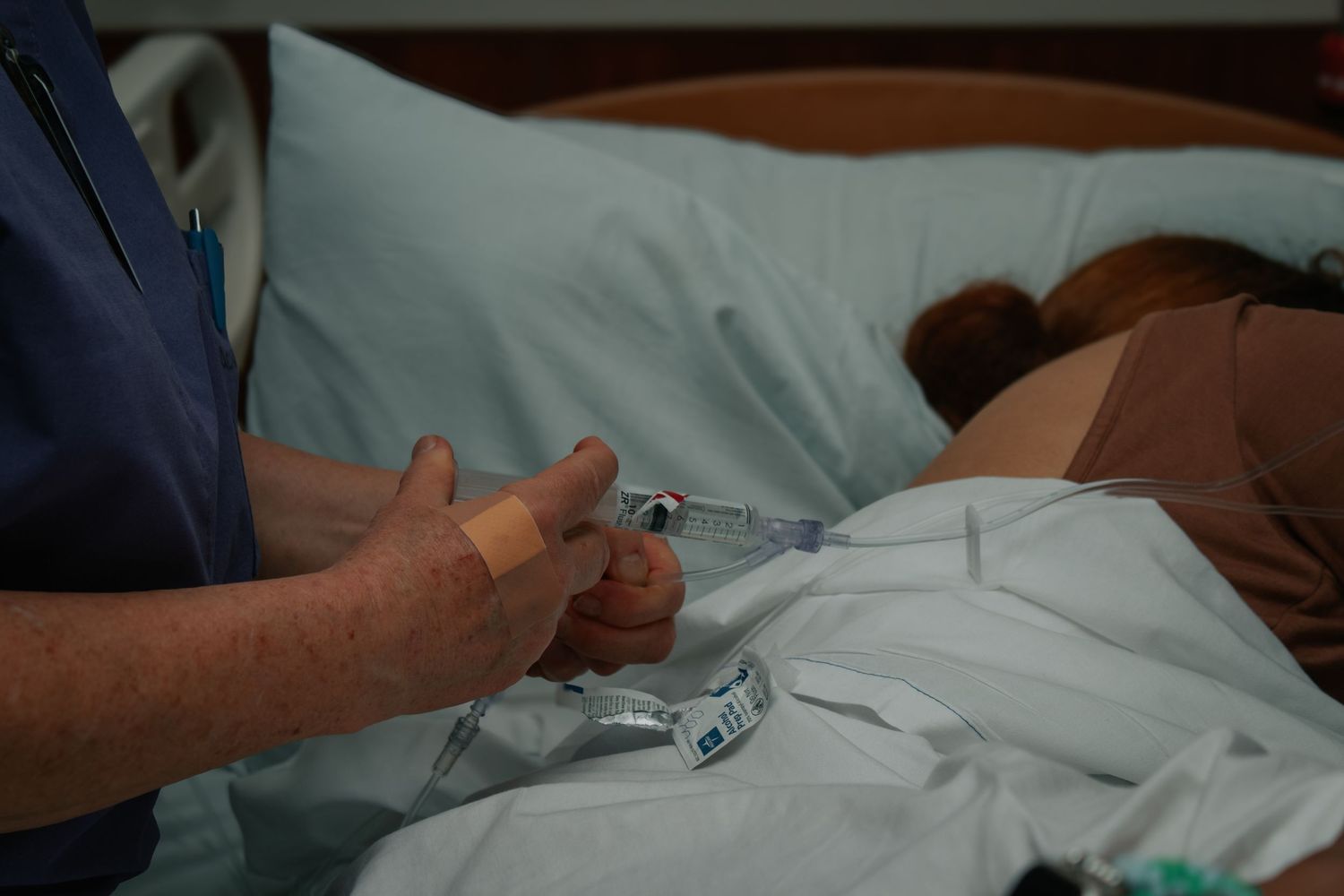
Here's a client receiving IV fentanyl for pain relief during her induction:
4.Birthing pools can help you feel more comfortable and relaxed during labor.
Warm water can help ease the pain and discomfort of contractions, and it also allows you to move around more easily, which can help the baby move down the birth canal. Birthing pools can also provide a sense of privacy and intimacy during labor.
Question for your doctor/midwife: Are there birth pools at the hospital or another way I can use water to relax?
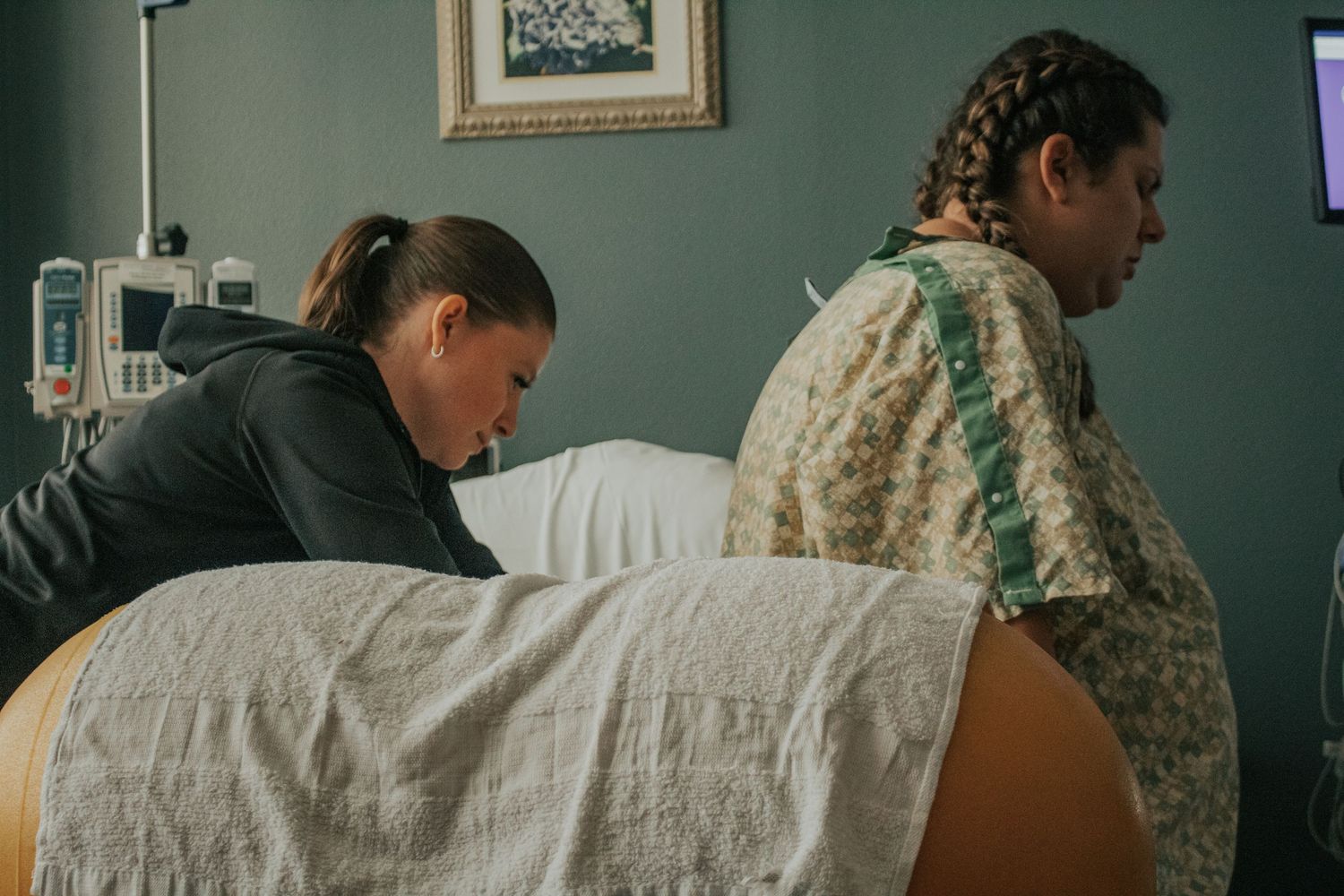
5.There are many different positions that can help make the birthing process easier.
There are various birthing positions that can help make the birthing process easier, such as standing up, sitting upright or on your hands and knees. Experiment with different positions to find what feels most comfortable for you. Ask your doula for ideas when you're uncomfortable and at a loss for how to switch things up.
Question for your doctor: Why do doctors favor McRoberts (on your back) position for pushing?
I planned on giving birth on hands and knees but I felt the need for a change (I moved to get out of the birth pool) and ended up stuck where I was in an upright seated position because baby was coming NOW. I ended up loving it. She was easy to catch and I didn’t have to do any maneuvering to hold her afterwards <3

Many women I’ve supported loved being on hands and knees! Most do not want to be on their back!
6.Doulas are a great support and aren’t only used for birth.
A doula is a professional trained to provide emotional and physical support to a woman and her partner during pregnancy, labor, delivery, and postpartum period. A doula can help you with relaxation techniques, provide emotional support, and advocate for your wishes during birth. It’s important to find a doula who’s birth values align with yours. If you are a God-fearing woman who wants a sacred birth experience, hi! I’m right here 😊
Question for your doctor/midwife: Do you support my choice to have a doula present with me during delivery?
7.You can eat and drink during labor, if you want to.
I get asked this question a lot by clients! Having a light snack can help keep your energy levels up. It's important to listen to your body, and to make sure you are well hydrated and nourished.
Question: Under what circumstances would I be discouraged from eating during labor and why?
8.Very few true emergencies require a c-section
C-sections are a common form of delivery and can be planned or unplanned. If you do not want a c-section, it is best to plan and prepare for a low intervention birth. The more interventions you receive (Pitocin, coached pushing, prolonged labor with no/limited movement, etc) the more likely you are to end up in surgery. But if you do, it is not due to a failing on your part, and your doctor and nurses will take great care of you and your baby during the procedure. It's important to remember that a c-section is a surgical procedure and there are risks associated with it, but it can also save the lives of both mother and baby in certain situations.
Question: In what circumstances do you perform c-sections? What is your cesarean rate?
So, there you have it, mama. You're armed with some new information that will hopefully help you feel more confident and excited about your birth!
Check out some of my favorite birth photos here!